

A UCLA cancer research team has recently received a $7.6 million grant from the California Institute for Regenerative Medicine. This award will support research into genetically engineered white blood cells which can selectively target and kill tumor cells, while simultaneously activating other immune cells to do the same.
Read More
0 Comments Click here to read/write comments
Tags: CA, University of California Los Angeles, Stem Cells, Los Angeles, genetic engineering, UCLA, Biotechnology Vendor Showcase, new funding, cancer research funding, tumor cells
Researchers at Duke University in Durham, North Carolina have been studying how cells regenerate skin tissue through the use of genetically engineered, technicolor zebrafish.
Read More
0 Comments Click here to read/write comments
Tags: Duke University, Southern, Durham, NC, Duke, 2016, BioResearch Product Faire, Zebrafish, Skin regeneration
Acute lymphoblastic leukemia (ALL) is the most common type of childhood cancer, affecting nearly 6 thousand children in the US annually. Recently, a possible relationship has been identified, which may provide valuable insight into why this cancer develops and how to prevent it.
Read More
0 Comments Click here to read/write comments
Tags: Lab Product show, University of Minnesota, UMN, Leukemia, cancer research, Minnesota, University of Minnesota Twin Cities, Minneapolis, MN, UMinn, Minn, Twin Cities, uminn research
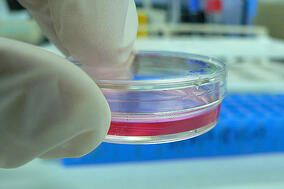
Lung cancer is one of the most common types of cancers and is responsible for the most cancer deaths each year. Due to its prevalence, lung cancer is a point of study for many researchers around the world. Just this year, researchers from the Sidney Kimmel Cancer Center at Thomas Jefferson University in Philadelphia have discovered that the gene Nitrilase 1 (Nit1) plays a large role in the proliferation of cancer cells.
Read More
0 Comments Click here to read/write comments
Tags: Pennsylvania, Northeast, Thomas Jefferson University, cancer research, Philadelphia, PA, ThomJeff, 2016, BioResearch Product Faire, Nitrilase 1, lung cancer, Nit1
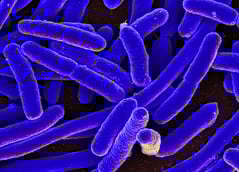 The human microbiome is a complex system of bacteria that live and interact in different tissues and organs throughout the body. This complex system is a growing area of focus for life science researchers looking to learn more about these interactions and functions. In order to help its researchers in this rapidly expanding field, Columbia University in New York has established both a working group and a new core facility to help increase research potential of the microbiome.
0 Comments Click here to read/write comments
Tags: Northeast, microbiome, New York, Columbia University, Columbia, Research, NY, Columbia University Medical Center, 2016, BioResearch Product Faire, CUMC
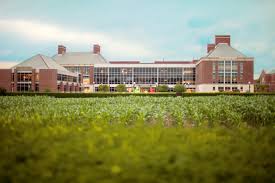
The University of Illinois at Urbana-Champaign (UIUC) was awarded a $5 million grant to study ways to increase the water use efficiency (WUE) of sorghum, a crop used for bioenergy. Researchers hope to make sorghum an even more practical source of bioenergy by decreasing the plant’s moisture loss so that it can be farmed in lands that would be too arid for traditional sorghum. In fact, they propose to increase the WUE for their sorghum by as much as 40%.
Read More
0 Comments Click here to read/write comments
Tags: University of Illinois, University of Illinois Urbana-Champaign, UIUrbana, 2016, BioResearch Product Faire
Chemical bioengineers find and create bacteria for several different purposes, such as eating chlorine and consuming toxic byproducts of biodiesel plants. A closer look at these bacterial communities undertaken in a study at Washington University in St. Louis shows that there is actually a division of labor between bacterial workers and layabouts.
Read More
0 Comments Click here to read/write comments
Tags: WashU, BioResearch Product Faire Event, MO, St Louis, Washington Univsersity St. Louis, 2016
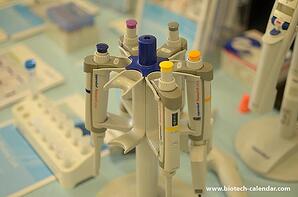 Neuroscience is an ever-expanding life science field. There is so much still unknown about the brain and diseases that affect it, and scientists are constantly performing research and publishing new findings. Diseases such as Alzheimer's, which affects memory and causes behavioral problems, are continually being investigated with the ultimate goal of finding a cure and creating new treatment methods. Recently, a team of researchers found a connection between the memory loss associated with Alzheimer's Disease and certain inflammatory cells in the brain.
0 Comments Click here to read/write comments
Tags: CA, Southwest, Alzheimer's Research, Neuroscience, Irvine, BRPF, UCI, UC Irvine, 2016, BioResearch Product Faire, Alzheimer's Disease, Inflammatory Cells, West Coast, Microglia
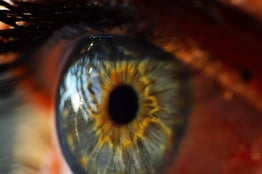 The University of California, Davis Medical Center is one of the best in the country. It is comprised of the UC Davis Cancer Center, a medical school, the MIND (Medical Investigation of Neurodevelopmental Disorders) Institute, the Eye Center, and other important research facilities. Recently, the medical center received a generous donation to aid their research.
0 Comments Click here to read/write comments
Tags: CA, University of California Davis Medical Center, Optics, Southwest, UCDMC, Sacramento, new funding, UC Davis, 2016, BioResearch Product Faire, Ernest E. Tschannen, eye center, West Coast
 Type 2 Diabetes, the most common form of Diabetes, affects nearly twenty-nine million Americans. Sufferers' bodies resist any insulin being produced, causing blood glucose levels to rise above normal. This condition is associated not only with hyperglycemia, but also with excess fat in skeletal muscles, although the actual cause of insulin resistance has not previously been known.
0 Comments Click here to read/write comments
Tags: Northeast, University of Pennsylvania, UPenn, Diabetes, insulin resistance, Philadelphia, PA, 2016, BioResearch Product Faire, Type 2 Diabetes