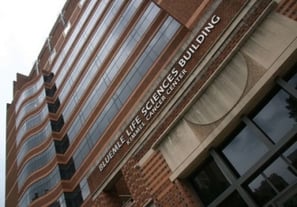
Each year, The Sidney Kimmel Cancer Center (SKCC) at Jefferson University Hospital receives approximately $72 million in grants for cancer research from organizations such as Susan Komen for the Cure. This year the SKCC received a $3 million donation from Esperanza and David Neu in order to establish the Neu Center for Supportive Medicine and Cancer Survivorship. The purpose of the Neu Center is to serve as a comprehensive resource for psycho-social care and research.
Read More
Tags:
Pennsylvania,
Northeast,
Thomas Jefferson University,
cancer research,
NIH funded Research Projects,
Philadelphia,
PA,
NIH funding,
Cancer Center,
ThomJeff,
cancer research funding,
BioResearch Product Faire,
NIH awards 2017,
2017 research funding
In late September the National Science Foundation awarded the University of Pennsylvania a five-year grant of $24 million to create a Mechanobiology Center, as posted on the university website. This grant is in coincidence with three other large grants to fund establishing four Science and Technology Centers (STC) totaling $94 Million; the other three STC’s being the Center for Bright Beams at Cornell University, the Center for Cellular Construction at UC San Francisco, and the Center on Real-Time Functional Imaging at UC Boulder.
Read More
Tags:
Pennsylvania,
University of Pennsylvania,
UPenn,
Philadelphia,
new funding,
New research center,
2017
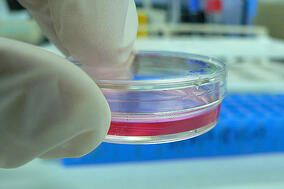
Lung cancer is one of the most common types of cancers and is responsible for the most cancer deaths each year. Due to its prevalence, lung cancer is a point of study for many researchers around the world. Just this year, researchers from the Sidney Kimmel Cancer Center at Thomas Jefferson University in Philadelphia have discovered that the gene Nitrilase 1 (Nit1) plays a large role in the proliferation of cancer cells.
Read More
Tags:
Pennsylvania,
Northeast,
Thomas Jefferson University,
cancer research,
Philadelphia,
PA,
ThomJeff,
2016,
BioResearch Product Faire,
Nitrilase 1,
lung cancer,
Nit1
 Type 2 Diabetes, the most common form of Diabetes, affects nearly twenty-nine million Americans. Sufferers' bodies resist any insulin being produced, causing blood glucose levels to rise above normal. This condition is associated not only with hyperglycemia, but also with excess fat in skeletal muscles, although the actual cause of insulin resistance has not previously been known.
Tags:
Northeast,
University of Pennsylvania,
UPenn,
Diabetes,
insulin resistance,
Philadelphia,
PA,
2016,
BioResearch Product Faire,
Type 2 Diabetes
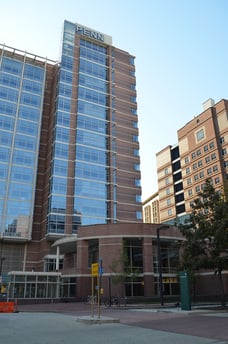
The University of Pennsylvania in Philadelphia is one of the top research institutions in the world and is continuously expanding its research potential. Last year, the university opened a new Prematurity Research Center with the support of a $10 million donation from the March of Dimes Foundation of Philadelphia. Earlier this year, the university teamed up with the pharmaceutical company Novartis to open a new center on campus dedicated to cancer research, called the Novartis-Penn Center for Advanced Cellular Therapeutics (CACT).
The Center for Advanced Cellular Therapeutics, which is located on the University of Pennsylvania Medical Campus, is a $27 million project that will provide new laboratory and clinical space for physicians and scientists working to develop personalized cellular therapies for cancer treatments.
Read More
Tags:
Northeast,
University of Pennsylvania,
UPenn,
cancer research,
Philadelphia,
BioResearch Product Faire Event,
PA,
2016,
Novartis,
Center for Advanced Cellular Therapeutics,
Cell therapy
 Parkinson's Disease is a devastating neurodegenerative disease that affects people's motor functions. As of today, there are no cures for Parkinson's Disease, and treatments are only able to alleviate symptoms. Researchers across the nation are heavily studying the disease, with the goal of learning more about the onset and progress of the disease to help scientists develop treatment methods.
Read More
Tags:
Northeast,
Thomas Jefferson University,
Parkinson's Disease Research,
Philadelphia,
PA,
ThomJeff,
2016,
Parkinson's Disease,
BioResearch Product Faire,
GM1 ganglioside
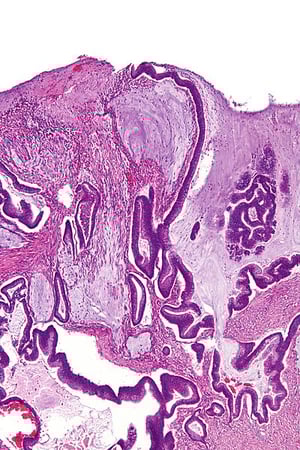 According to a team of researchers at the University of Pennsylvania, one specific contributor to colon cancer may be a protein called MSI2.
Read More
Tags:
Pennsylvania,
University of Pennsylvania,
UPenn,
cancer research,
2015,
Philadelphia,
BioResearch Product Faire Event,
PA
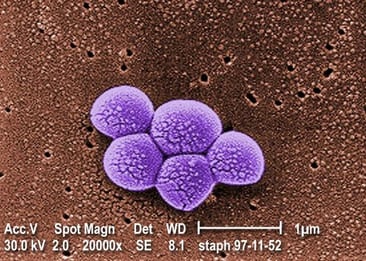 Imagine finally getting a knee replacement after dealing with years of crippling pain, only to develop a staph, or MRSA, infection at the surgery site. Not only is the pain still present, perhaps even worse, but rest of the body’s health is now at risk as well.
Read More
Tags:
Pennsylvania,
Thomas Jefferson University,
2015,
Philadelphia,
BioResearch Product Faire Event,
PA,
NIH funding,
NIH grants,
ThomJeff
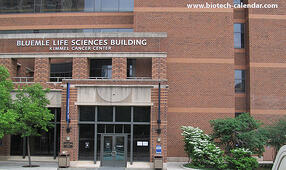 MicroRNA (miRNA) play an important role in controlling different processes that occur in cells through gene regulation. These small molecules are able to regulate many cellular processes by reducing target amounts in the cells. There are more than 1,900 locations in the human genome that are known to produce these miRNA molecules.
Bioresearchers at Thomas Jefferson University in Philadelphia recently uncovered 3,400 new locations in the human genome that also produce miRNA molecules, offering up more options for further research into the relationship between miRNA and disease.
Read More
Tags:
Northeast,
Thomas Jefferson University,
2015,
Philadelphia,
BioResearch Product Faire Event,
PA,
ThomJeff,
miRNA,
human genome
 Researchers from the Perelman School of Medicine at the University of Pennsylvania and the Novartis Institutes for BioMedical Research have discovered a potential new method for treating brain cancer using specially engineered immune cells.
According to a university press release, personalized immune cells were engineered by UPenn scientists in order to seek out and attack a type of deadly brain cancer, and were found to be both safe and effective at controlling tumor growth in mice that were treated with these modified cells.
Read More
Tags:
Pennsylvania,
University of Pennsylvania,
UPenn,
cancer research,
brain research,
2015,
Philadelphia,
BioResearch Product Faire Event,
PA,
NIH funding