In biotechnology, one man’s trash is very often another man’s treasure. We’ve seen prime examples of this with the chlorine-eating bacteria developed at the University of Minnesota and the anaerobic digester at MSU which produces renewable energy from the biowaste of the campus. Now a consortium spearheaded by the University of Wisconsin-Madison is working on turning the problem of dairy farm manure into solutions to other problems.
Read More
Tags:
Wisconsin,
University of Wisconsin Madison,
UWisc,
2015,
BioResearch Product Faire Event,
Madison
 Young scientists often contribute in spectacular ways to bioresearch. Without adequate funding, however, many important and dedicated junior scientists are limited in how they are able to contribute to scientific understanding.
Paying for lab equipment, salaries, and adequate research resources can all be limiting factors for some scientists, but perhaps not for junior post doctoral fellows working on stem cell research at the University of Southern California.
Thanks to a recent gift from the Hearst Foundations to USC in the amount of $300,000, exceptional junior postdoctoral fellows can continue to pursue stem cell research and work on important projects at USC.
Read More
Tags:
CA,
University of Southern California,
Stem cell research,
California,
USC,
2015,
BioResearch Product Faire Event,
Research Funding,
Life Science,
post doc,
Bioreseach
Since the Human Immunodeficiany Virus (HIV) emerged as a global health problem, researchers have been diligently working to discover new vaccines to treat the disease. However, many of the current treatments for HIV tend to cause more infections and further damage instead of working as a cure.
Read More
Tags:
Emory University,
HIV,
vaccine research,
Southern,
2015,
Emory,
BioResearch Product Faire Event,
Atlanta,
GA,
AIDS vaccine research,
Yerkes National Primate Research Center
 Researchers at Penn Medicine have gone through some great pains to find the first potential new class of novel anesthetics since the 1970s. Starting with a pool of over 350,000 compounds, they have isolated two compounds with the potential to be developed into new, safer general anesthetics.
Read More
Tags:
University of Pennsylvania,
UPenn,
2015,
BioResearch Product Faire Event,
PA,
Penn Medicine
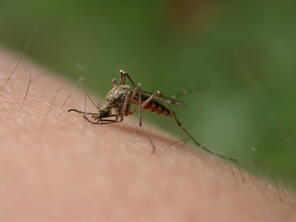 Mosquito bites and the deadly diseases they transmit are responsible for more human deaths than any other animal. Researchers at the University of California, Riverside are biting back- thanks, in part, to grants from the National Institutes of Health totaling nearly $1 million.
Read More
Tags:
CA,
University of California Riverside,
California,
2015,
life sciences research,
BioResearch Product Faire Event,
Research Funding,
UCR,
NIH grants
A forward-thinking team of researchers at The University of Illinois, Urbana-Champaign have discovered an unconventional method to treat a prevalent disorder called endometriosis. The team utilizes two new drug compounds which overturn the assumptions of traditional treatment and drastically improve results.
Read More
Tags:
University of Illinois Urbana-Champaign,
Urbana-Champaign,
2015,
UIUrbana,
BioResearch Product Faire Event,
IL
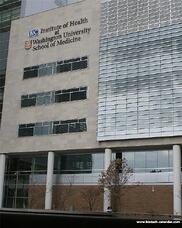 As one of only three large-scale, NIH funded genome centers in the United States, the Genome Institute at Washington University School of Medicine in St. Louis has been a large contributer to cancer research and the research of child illnesses since it was founded in 1993.
Read More
Tags:
Washington University St. Louis,
Midwest,
WashU,
2015,
BioResearch Product Faire Event,
genomics research,
MO,
St Louis,
new funding
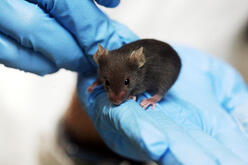 Through testing mice that have an abnormality in certain common chromosomes that are found in prostate cancer, researches from the Georgetown Lombardi Comprehensive Cancer Center were able to prevent tumors from growing and spreading with the help of the drug YK-4-279. (Photo of lab mouse by Rama, courtesy of Wikimedia Commons).
Read More
Tags:
Washington DC,
Northeast,
2015,
Geotwn,
BioResearch Product Faire Event,
Georgetown University Medical Center,
YK-4-279,
Prostate cancer
Biofuels, Bioproducts and Biopower
UGA's bioenergy researchers are helping transform the nation's renewable and abundant biomass resources into cost-competitive, high-performance biofuels, bioproducts and biopower that are needed to meet growing energy needs. Almost 30 biobased technologies have been developed at UGA, with many licensed to the marketplace: genetically modified plants for the production of biofuels and biochemicals, methods for quantitative analysis of biomass, genetically engineered microorganisms for the production of a variety of chemicals from plants, and a process to turn woody waste biomass into a liquid fuel.

(photo courtesy of Steve Jurvetson via wikipedia commons)
Read More
Tags:
University of Georgia Athens,
University of Georgia,
biofuels,
Georgia,
2015,
energy research,
UGA,
BioResearch Product Faire Event
Though we often report on the miraculous effects of suppressing or expressing just one gene, very often changing a single gene has minimal impact. However, in some cases the combination of two genetic changes does something far more drastic than changing either gene individually. In a recent study published by The Ohio State University, a research team found two innocuous gene variants whose mutations work together to protect against heart attacks.
Read More
Tags:
Ohio State University,
2015,
BioResearch Product Faire Event,
Columbus,
OH,
OhStu