

Is Reaching out to researchers to educate them about your new products not as rewarding as it once was?
Recent Posts
Read More
0 Comments Click here to read/write comments
Tags: Life Science Marketing, Life Science Research Market, scientific sales, Science sales
0 Comments Click here to read/write comments
Tags: Biomedical expansion, New research facilities, Texas Medical Center, Southwest, 2012, tmc, BioResearch Product Faire Event, Houston, TX
UCSF, Mission Bay currently has over $1 Billion in construction projects underway, making it the largest ongoing biomedical building in the world and is one of the top NIH funded universities in the nation. Currently the school receives more federal funding than any other public university and is third overall among public and private institutions.
0 Comments Click here to read/write comments
Tags: University of California San Francisco, California, UCSF, San Fransisco Science Researchers
Researchers at the McGowan Institute for Regenerative Medicine at the University of Pittsburgh (MIRM) have discovered a way of regenerating muscle. Using a tissue culture, the researchers have been able to grow new muscle from pig bladder cells.
0 Comments Click here to read/write comments
Tags: biomedical research, University of Pittsburgh, Pennsylvania, Northeast
Blood vessels are often looked upon as a constructive part of a functioning organism; a healthy vascular system indicates strong circulation. An unhealthy vascular system leads to weak circulation, low blood pressure, and a low supply of blood to the extremities of the body.
2 Comments Click here to read/write comments
Tags: Northeast, Massachusetts, Angiogenesis Modulation, Harvard Medical School
The laboratory equipment supplier Thermo Fisher Scientific has donated their first piece of equipment to the nonprofit Seeding Labs. This admirable nonprofit provides labs in developing countries with much needed lab supplies and professional training.
1 Comment Click here to read/write comments
Tags: biotech industry, Laboratory Equipment Supplier, National
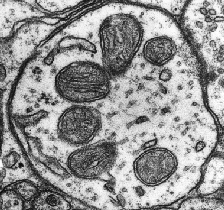
In perhaps the crowning achievement of a decade of work, a group of Harvard University researchers have identified the specific protein responsible for calcium absorption in mitochondria, solving a long-standing and crucial problem for our understanding of an essential cellular component.
Drawing on resources such as "the Human Genome Project, freely downloadable genomic databases, and a few tricks," as Vamsi Mootha, the project leader and associate professor of systems biology at Harvard Medical School, put it, the project represents a significant step forward for the field and should open the door to treatment of a number of diseases thought to be related to calcium deficiency in mitochondria. Particularly remarkable about the study is its synthesis of recently-developed cellular and genomic technologies to solve the problem.
3 Comments Click here to read/write comments
Tags: Northeast, cell biology, genome research, 2012, Boston, BioResearch Product Faire Event, 1 day only, Genomics, MA, Harvard, Harvard Medical School, 2011
"Marketing" is probably not a word that's used much in university chemistry labs; likewise, lab reagent and equipment suppliers may not consider it a key part of their job to actively promote lab safety practices. But what if marketing lab equipment safety, with all of the flash and attention-holding gimmicks in the sales and advertising arsenal is exactly what is needed to keep (often young) lab workers safe? And who knows more about marketing: business or academia?
2 Comments Click here to read/write comments
Tags: University of California Los Angeles, California, Laboratory Equipment Supplier, marketing
 Despite 400 million years of evolutionary success, amphibians are dying out, thanks to habitat loss, increased levels of UV radiation, invasive species, climate change, emerging infectious diseases, and agricultural contaminants. These factors all make the frog's life and that of his fellow cold-blooded tetrapods harder and harder. Realistically, it's nearly impossible to address most of the factors contributing to his endangerment in the time frame needed to stave off extinction.
0 Comments Click here to read/write comments
Tags: Oregon State University, Northwest, Oregon, Life Science, Ecology
The NIH has just announced that the Electronic Medical Records and Genomics (eMERGE) consortium of seven US medical research institutions has received an additional $25M in funding for Phase II of a series of projects to study how genetic information in patients' medical records can be used to improve their care. As genome sequencing becomes increasingly affordable and more widely done, translational research is needed to show physicians how they might respond to indicators of genetic predisposition to disease in their treatment programs. The eMERGE network was formed in 2007 "to develop, disseminate, and apply approaches to research that combine DNA biorepositories with electronic medical record (EMR) systems for large-scale, high-throughput genetic research," according to the National Human Genome Research Institute (NHGRI) branch of the NIH.
0 Comments Click here to read/write comments
Tags: Mount Sinai School of Medicine, Northeast, Vanderbilt University, University of Washington, WA, Northwest, Translational Research, New York, MSSM, BioResearch Product Faire Event, Genomics, NY, NIH, Seattle, Biomedical Research Funding, Nashville TN, 2011