

The global bee population is in trouble, but perhaps biotechnology holds the key to its rescue. We saw last year how a Michigan State University team improved the pollination capacity of bees. Now that very same team is working on a way to defend bees from a parasite they believe may be responsible for the population decline.
Read More
0 Comments Click here to read/write comments
Tags: Michigan State University, 2015, BioResearch Product Faire Event, MI, East Lansing, MSU
 Brain surgery is an extremely delicate matter, and complicated even further when performed on children with brain cancer. These cancer cells are difficult to discern from healthy cells during brain surgery and afterward may or may not still reside in the brain where they can continue to spread and cause damage.
0 Comments Click here to read/write comments
Tags: Fred Hutchinson Cancer Research Center, Washington, WA, cancer research, brain research, 2015, BioResearch Product Faire Event, Seattle, Hutch
 The Deepwater Horizon Oil Spill that occurred in the Gulf of Mexico in 2010 spilled 4.9 million barrels of oil into the Gulf, causing tremendous impacts to the ecosystem. The Exxon Valdez Oil Spill in the Prince William Sound in 1989 also had a tremendous impact on the environment. Impacts of these spills can still be seen, and there is still oil that has not yet been cleaned up on land and in the water. (Image courtesy of Pete Markham via Wikimedia Commons)
0 Comments Click here to read/write comments
Tags: Midwest, WI, University of Wisconsin Madison, UWisc, 2015, BioResearch Product Faire Event, Madison, Materials Research, Oil Spill Cleanup
 Pancreatic cancer is one of the most rapidly spreading cancers known to man, which translates to seriously staggering death rates. According to the American Cancer Society, for all stages of pancreatic cancer combined, the one-year relative survival rate is 20%, and the five-year rate is 6%, in part because more than 80% of patient tumors have spread beyond the pancreas by the time of diagnosis. In most cases, the cancer has already spread to the point where surgical removal is impossible. (Image: Test Molecule; Los Angeles Mission College)
4 Comments Click here to read/write comments
Tags: Fred Hutchinson Cancer Research Center, Washington, cancer research, Cancer, 2015, BioResearch Product Faire Event, Seattle, NIH funding, Northwest Region, Hutch, cancer research funding
In an effort to avoid abusing antibiotics, more and more researchers have been looking for alternate ways to kill or otherwise inhibit pathogens. We have seen several excellent and creative examples here in the Science Market Update, for instance exploding bacteria from the inside or even just telling bacteria not to infect us. Now a research group at The University of Wisconsin, Madison have devised a clever way to vaccinate farm animals to protect them from common troubling diseases.
Read More
0 Comments Click here to read/write comments
Tags: WI, University of Wisconsin Madison, UWisc, 2015, BioResearch Product Faire Event, Madison
 Brain plasticity, or neuroplasticity, refers to the ability of the brain to react to the variety of changes that occur in the brain’s synapses or neural pathways over time. More specifically, plasticity involves changes that occur in the brain as a result of learning and experience, which is derived from emotions, behavior, thinking, and environment. As a person reaches adulthood, the brain loses plasticity and becomes more rigid in its layout and function. Loss of plasticity also commonly occurs in those affected with traumatic brain injuries or disease.
0 Comments Click here to read/write comments
Tags: CA, University of California Irvine, California, 2015, BioResearch Product Faire Event, Research Funding, Neurology, Irvine, NIH funding, UCI, UC Irvine, NIH grants, best lab supply tradeshows, best science tradeshows
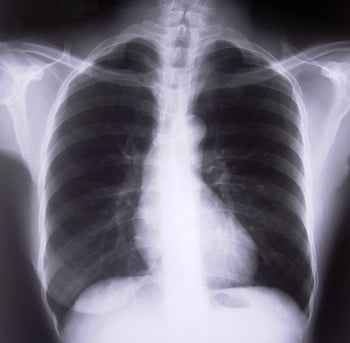 Scientists and health care professionals involved in pulmonary research at University of Southern California are getting a breath of fresh air, and a new building, thanks to a recent grant from The Hastings Foundation.
It was recently announced that the foundation would give a five-year, $7.5 million gift to USC to develop the Hastings Center for Pulmonary Research at Keck Medicine of USC.
Read More
0 Comments Click here to read/write comments
Tags: CA, University of Southern California, California, USC, Los Angeles, 2015, BioResearch Product Faire Event, Research Funding, new Building, pulmonary hypertension, New research center
 Prostate cancer is the most common cancer among American men, with about 200,000 men diagnosed yearly and an approximately 10% death rate, according to the Centers for Disease Control and Prevention (CDC). Furthermore, prostate cancer is one of the leading causes of cancer death among men of all races and Hispanic origin populations.
0 Comments Click here to read/write comments
Tags: Bioresearch, WSU Pullman, Washington University, WA, cancer research, Washington State University, 2015, BioResearch Product Faire Event, Research Funding, Pullman, Prostate cancer
0 Comments Click here to read/write comments
Tags: Ohio State University, 2015, BioResearch Product Faire Event, Columbus, OH, OhStu
 Six teams of researchers from leading univerisites are going to receive a set of three-year grants, totaling over $7.5 million, to create lab-grown brain cells in a process called neuronal maturation.
The funding to the various universities was made possible by The Paul G. Allen Family Foundation as part of its Allen Distinguished Investigator grants, and will ensure the continued development of important neuroscience research.
Read More
0 Comments Click here to read/write comments
Tags: CA, Harvard University, Washington, Parkinson's Disease Research, California, brain research, 2015, Alzheimer' Research, LAVS, Neuroscience, BioResearch Product Faire Event, Research Funding, Harvard, UCSF, longwood, Biotechnology Vendor Showcase Event, best lab supply tradeshows, best science tradeshows