

The University of Georgia’s Health Sciences Campus (GHSU) recently opened for its first year on August 6th. The new campus will house two principal occupants: the College of Public Health and the GHSU/UGA Medical Partnership. According to the Athens Patch, land for the campus came from the U.S. Navy Supply Corps School, which closed in 2005 and was purchased by UGA in 2007.
Read More
0 Comments Click here to read/write comments
Tags: University of Georgia, 2012, Georgia, UGA, BioResearch Product Faire Event, Athens, GA, Health Sciences Campus
Did you know you can be considered a "pot-head" without ever touching, let alone smoking, marijuana? When early neuroscientists went looking for the mental hardware that allowed the body to respond to the active ingredient in the cannabis sativa plant (called THC), they found much more than they were bargaining for. They did in fact identify a perfectly-shaped receptor in the brain. Puzzled at why it would exist (surely the human body was not designed with cannabis-intake in mind?), they went on to discover that the body itself makes a cannabis-like substance, called an endocannabinoid, and that it is part of a complex system regulating appetite, pain, pleasure, and immunity. So, technically, your brain is already wired for pot, and your body produces it all by itself.
0 Comments Click here to read/write comments
Tags: CA, Cannabinoids, University of California Irvine, Southwest, California, 2012, Neuroscience, Biotechnology Vendor Showcase, Irvine, UC Irvine
If your company is an active participant in the research science marketplace, you can take this opportunity to reserve space in upcoming 2013 events being held at top funded science markets nationwide.
2 Comments Click here to read/write comments
Tags: Biotechnology Calendar, 2012, BioResearch Product Faire Event, Front Line event, bioscience event, Biotechnology Vendor Showcase, special pricing, product show
The Clinical & Translational Science Center (CTSC) headquartered at Manhattan's Weill Cornell Medical College has just received a $49.6M renewal of its 5-year grant by the NIH's National Center for Advancing Translational Sciences (NCATS) in order to continue its work. Launched seven years ago, the the CTSC set out to realize the successful integration of inter-institutional resources among neighbors on York Avenue and the immediate area. The resulting cluster of New York's East Side institutions forms a unique and cohesive biomedical complex collectively dedicated to accelerating the clinical application of basic science discoveries.
0 Comments Click here to read/write comments
Tags: Rockefeller University, Northeast, Translational Research, New research facilities, new science wet labs, New York, Columbia University, 2012, Weill Cornell, Columbia, MSSM, RockU, BioResearch Product Faire Event, Funding, NY, NIH, Stoneybrook, SunySB, NYC campus competition, Mt Sinai School of Medicine
0 Comments Click here to read/write comments
Tags: CA, University of California San Diego, Stem cell research, Southwest, California, 2012, biology research, bio research, biology research scientists, Neuroscience, San Diego, UCSD, La Jolla, Biotechnology Vendor Showcase, Salk, cord blood
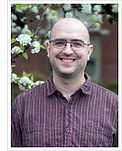 Oregon State researchers recently discovered DNA in a nematode, a type of roundworm, that may provide an insight into the mechanisms of human aging. The researchers found a specific portion of DNA within the mitochondria of the nematode which displayed the characteristics of "selfish" DNA, in other words, DNA which actually hurts the animal's chances of survival. Scientists have previously found instances of selfish DNA occurring in plants, but this is the first example found in an animal. “We weren’t even looking for this when we found it, and at first we thought it must be a laboratory error,” said Dee Denver, Oregon State associate professor of zoology (photo left courtesy of OSU). "Selfish DNA is not supposed to be found in animals."
4 Comments Click here to read/write comments
Tags: Oregon State University, Aging, Northwest, cell biology, Oregon, 2012, Cell Research, Genomics, Genetics, current science events, Front Line event, OR, Corvalis, ORSTU, oregon research
What comes to mind when you think of LEDs? Most people probably envision a small personal flashlight, or those little lights you put on circuit boards. At the University of Utah, physicists have developed a new type of organic LED that's cheaper, brighter, and more environmentally friendly.
1 Comment Click here to read/write comments
Tags: university of utah, vendor show, science research, Salt Lake City
Given that the ubiquity of sweat glands over the surface of the body is such a defining aspect of human physiology (and evolution), it's a wonder how little basic research has been done to understand how they work at the cellular level. Until Rockefeller University cell biologists published their recent findings in Cell, we didn't even know if sweat glands had unique stem cells. It turns out they do. The study also demonstrated that, while sweat glands are close cousins to mammary glands, adult stem cell activity is markedly different in the two systems (though they have a common progenitor), and in fact that there are four separate stem cell types that regulate maintenance and repair of glands and their epidermal-level counterparts throughout our lives.
0 Comments Click here to read/write comments
Tags: Rockefeller University, Northeast, Stem cell research, cell biology, New York, 2012, Cell Research, bio research, BioResearch Product Faire Event, NY, New York City

0 Comments Click here to read/write comments
Tags: CA, University of California San Diego, California, 2012, San Diego, UCSD, Biotechnology Vendor Showcase, NSF
The Washington-based Pacific Northwest Prostate Cancer SPORE (Specialized Programs of Research Excellence) is a cutting-edge life science consortium which includes several research centers throughout Washington State and British Columbia. The consortium focuses on the genetic mechanisms of prostate cancer to better develop effective treatments for the disease.
2 Comments Click here to read/write comments
Tags: Fred Hutchinson Cancer Research Center, UW, University of Washington, WA research, 2012, Washington Life Science, washington life science consortium, BioResearch Product Faire Event, Front Line event, NIH, Seattle, research grant