

To many people, antioxidants are simply thought of as a good thing to consume, even if the reason why is not clear. A new study from the University of California, San Diego, shows that an overdose of antioxidants can actually inhibit the healing process.
Read More
0 Comments Click here to read/write comments
Tags: 2014, CA, University of California San Diego, San Diego, SDVS, Biotechnology Vendor Showcase
The Department of Defense has awarded the University of Texas Austin, along with 11 other U.S. institutions, a 5 year award of $17 million to develop successful treatments for these injuries.
Read More
1 Comment Click here to read/write comments
Tags: University of Texas, Southwest, UTAust, 2015, Austin, BioResearch Product Faire Event, TX
To get under the skin of a tumor is a very difficult task. If the goal is to invade tumor cells, then classic drugs are simply too large to get through. A bioresearch team at the University of California, Los Angeles is collaborating with a startup company to develop particles small enough for the job.
0 Comments Click here to read/write comments
Tags: CA, University of California Los Angeles, Los Angeles, LAVS
The increasing amount of genetic research brings with it the danger of the domino effect. That is, changing one gene can have unforeseen effects on other genes and on health in general. One such gene is found in the human retina, and has long puzzled researchers due to the chain reaction it can set off when deactivated. A team of bioresearchers from the University of Southern California and the nearby Children’s Hospital Los Angeles has finally solved the puzzle and unraveled the domino effect behind this gene.
Read More
0 Comments Click here to read/write comments
Tags: University of Southern California, cancer research, California
Life science researchers interested in learning about how barley is able to withstand such unpredictable weather recently conducted research at Washington State University, Pullman that explains how genes in the barley plant are able to defend against risks like aging, drought, heat and disease. Barley is able to live longer because a specific gene in the plant acts as a switch that allows it to defend against aging and tolerate stress and attacks from diseases.
Read More
0 Comments Click here to read/write comments
Tags: Washington State University Pullman, life science research, crops and soil
Debilitating and fatal motor neuron diseases are a type of progressive neurological disorder that causes patients to lose voluntary muscle activity when motor neurons are destroyed. Patients with motor neuron diseases lose the ability to speak, breathe, swallow and walk, and as such, much research into these diseases is needed to improve patients’ quality of life. Accordingly, life science researchers at the University of Utah are making motor neuron disease research a priority. Their latest study has led to the discovery of the role of mitochondria in these diseases as well as a new mouse model for future studies.
In the analytical lab's study, published in the Proceedings of the National Academy of Sciences, Dr. Janet Shaw and her team of life science researchers found that when healthy mitochondria were stopped from moving along axons (electricity-conducting nerve fibers), mice developed neurodegenerative diseases. Their research showed that motor neuron diseases might be caused by abnormal distribution of mitochondria along the spinal cord and axons.
Read More
0 Comments Click here to read/write comments
Have you ever lay in bed tossing and turning, wishing you could fall asleep? While most people have trouble falling asleep some nights because of a late evening coffee or a stressful day, those who suffer from chronic insomnia are at a serious health risk if they don’t get an adequate amount of sleep. Approximately 15 percent of older adults in the United States suffer chronic insomnia, which can lead the way to cardiovascular disease, hypertension, weight gain, type 2 diabetes and even an earlier death.
Life science researchers at the University of California, Los Angeles have discovered the answer to two questions whose answers have eluded insomnia and sleep researchers in the past: Can treating insomnia reduce inflammation, and what is the most effective therapy for treating insomnia? The study, published in the journal Sleep¸ shows that treating insomnia led to decreases in a known marker of inflammation called C-reactive protein (CRP).
Read More
0 Comments Click here to read/write comments
Tags: University of California Los Angeles, life science research, insomnia
The National Institutes of Health have recently been making a push for life science researchers across the country to address gender biases in their studies. In conjunction with these efforts, the NIH announced this September that it will give out $10.1 million in grants to more than 80 scientists studying a range of subjects, as long as the researchers agree to include females in their studies.
Read More
0 Comments Click here to read/write comments
When it comes to fighting bacteria, it’s all about understanding the enemy. Bacteria are especially good at rapidly dividing; in fact, they are more efficient than cells at self-replication. Microbiologists at the Washington University, St. Louis decided to go straight to the root of the problem and find out how to turn bacteria into zombies that can’t reproduce.
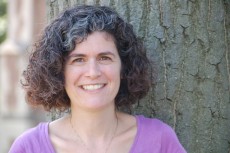 The first step in shutting down bacterial replication was determining just why bacteria are so good at it, instead of just taking the fact for granted. Petra Levin (left), associate professor of biology at WUSTL, notes that “people spoke of the bacterial cell cycle as somehow magically coordinated even though there was no mechanism for doing so. Things just somehow worked out fine even though no control system had been identified.”
0 Comments Click here to read/write comments
Tags: Washington University St. Louis, Missouri, WashU, Microbiology, 5-Star Program
The human body is specially designed to defend against infectious microbes, viruses and potential threats that are able to make their way to the intestines after eating even the most harmless types of foods. Dedicated immune cells work within the thin layer of tissue between the gut and the rest of the body to keep watch for potential hazards.
To learn more, life science researchers at Rockefeller University conducted a study on the development of a special class of immune cells known as intraepithelial lymphocytes (IELs) that live in this zone. Their findings could play an important role in our understanding of inflammatory diseases of the gut, such as Inflammatory Bowel Disorder and celiac disease, as well as cancer.
Read More
0 Comments Click here to read/write comments